
Can You Use Stock Footage on YouTube? Copyright and Monetisation
Free is not safe and paid is not immune. What triggers a copyright claim on YouTube, whether a stock footage channel gets monetised, and which licence terms matter.
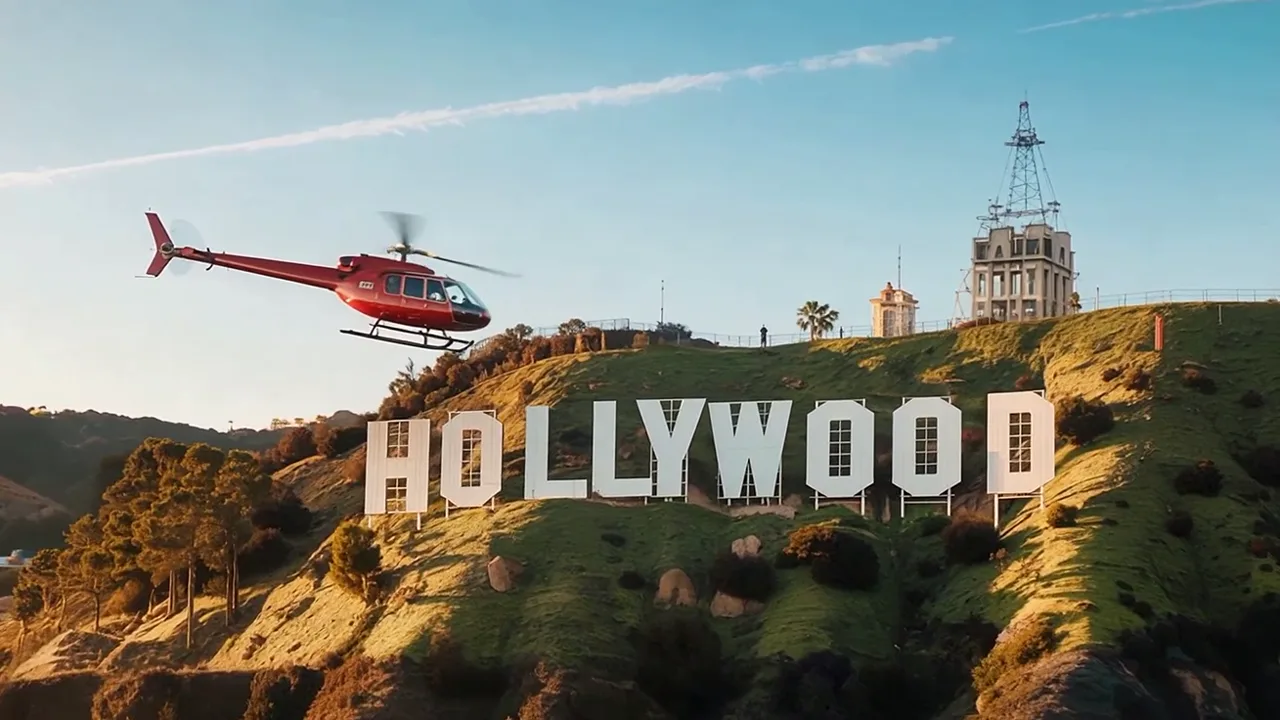
The short version. Yes, you can use stock footage on YouTube, and a channel built largely on it can be monetised — the bar is that your video is transformative, not that the clips are yours. The two things that actually get people burned are assuming free means risk-free, and assuming a paid subscription covers whatever they do with the video later. Free-library licences are only as good as the uploader's rights, and paid licences routinely stop short of ads, broadcast and large organisations. Keep a record of where each clip came from and which licence was in force the day you downloaded it — that record is what settles a dispute.
The short answer, then the details
Licensed stock footage is used everywhere on YouTube, and in film and broadcast too. Watch the closing credits of most big features and you will find footage providers listed. Nobody flies a helicopter for a five-second aerial of a city they have already seen shot a thousand times.
So the question about stock footage is never really "am I allowed to use stock footage." It is:
- What triggers a copyright claim, and how do I avoid it?
- Will YouTube still monetise a channel that leans on stock footage?
- Which licence terms matter once money is involved?
What actually triggers a stock footage claim
Content ID does not know what you paid
Most claims are automated. Content ID matches your upload against a reference library, and it has no idea whether the footage is licensed to you — it only knows the audio or video fingerprint matches something a rightsholder registered. Perfectly licensed stock footage can be claimed because someone else registered a video containing the same clip.
This is why the licence record matters more than the licence itself. When a claim lands, you dispute it by pasting the licence terms and your download date. Creators report exactly this working: a claim on free-library music was cleared by copying the licence into the dispute.
Free-library footage carries real risk
The most common assumption — this site says CC0, so I am covered — is the one that fails.
CC0 is a promise from the person who uploaded the clip. If they did not actually hold the rights, the promise is worthless, and the platform enforcing the claim is not going to take your word for it. One creator used rocket-launch footage from a free library and had the post blocked in several countries after upload. The footage was free. The problem was that free libraries do not verify provenance the way paid ones do.
That does not make free libraries unusable — most creators use them without incident for years. It means treating "free" as unindemnified, not as safe, and keeping the download record anyway.
Paid does not make you immune either
A paid licence protects you contractually, which is not the same as preventing a claim. You will still get automated claims occasionally. What the paid licence buys is a fast, decisive dispute, and in some cases indemnification if a rightsholder comes after you properly.
Will a stock-footage channel get monetised?
Yes, routinely. The YouTube Partner Programme cares about whether your video is transformative — whether you added meaningful original work — not about who shot the clips.
A channel that pairs licensed stock footage with your own voiceover, your own script, your own edit and your own on-screen structure clears that bar. Creators describe exactly this: channels built almost entirely from licensed footage, monetised within days of applying, because the voiceover and the writing are original.
What does not clear the bar is uploading assembled stock footage with nothing added — no commentary, no narrative, no editorial point of view. That is the reused-content rule, and stock footage is only incidental to it. The same rule catches compilations of other people's footage regardless of source.
The practical test: if you removed the stock footage and replaced every shot with different footage, would the video still be recognisably yours? If yes, you are fine. If the footage is the video, you have a problem.
The licence terms that matter once money is involved
This is where budgets and channels quietly break, and where almost nobody reads carefully.
- Editorial-only footage. Licensed for commentary and documentary, not for anything promotional. A sponsored segment turns editorial footage into a breach. The restriction lives in the footage metadata, not on the download button.
- Paid promotion. Standard subscription licences frequently cover organic uploads and stop there. The moment you put spend behind the video, the stock footage in it may need an extended licence.
- Seat and territory limits. Priced per user and per region. Easy to breach without noticing, especially on a team.
- Enterprise tiers. The expensive surprise. Freelancers working for large clients get pushed onto enterprise licensing — one team reported their company being charged $15,000 for what looked like the same subscription they already had.
- Perpetuity. Most subscription libraries grant a licence in perpetuity for whatever you downloaded while subscribed. That is why some creators subscribe for a month, source heavily, cancel, and repeat. Check that your library actually works this way before relying on it.
What to do when a stock footage claim lands
- Do not delete the video. Deleting does not resolve the claim and loses the watch history.
- Find the record. The footage, the source, the licence version, the download date.
- Dispute with the licence text. Paste the specific grant, not a link to the licence page.
- If it was a free library, check the footage is still listed. Footage gets removed when a provenance problem surfaces — that removal is itself evidence you need to swap the shot.
Most disputes resolve when the paperwork exists. Almost all the horror stories are about paperwork that does not.
Where AI-generated stock footage sits in all this
Generated footage changes the shape of this problem rather than eliminating it.
There is no third-party rightsholder, so there is nothing for Content ID to match against and no uploader whose claimed rights might turn out to be fiction. The usage rights come from whoever you generated with, so that is the thing to check. ClipBee includes commercial use on every clip it generates, with no per-project licences, no attribution requirement and no separate tier once a video becomes an ad — which removes most of the trap list above.
Two honest caveats. First, copyright registration for purely AI-generated work is unsettled in several jurisdictions — that matters if you need to stop someone else reusing your footage, though not for simply using it yourself. Second, YouTube requires disclosure of realistic synthetic content in some categories; generated b-roll of a landscape is not that, but a realistic depiction of a real person or event is, so label it.
If you want the sourcing workflow rather than the legal side, the companion piece is how to find b-roll footage without losing an afternoon.
FAQ
Can I use free stock footage on a monetised YouTube channel? Yes. Free-library footage is used on monetised channels constantly. Keep the download record, because free licences carry no indemnity — if a provenance dispute arises, your record is the whole defence.
Does using stock footage count as reused content? Not on its own. Reused content means uploading other people's work with nothing meaningful added. Stock footage under your own script, voiceover and edit is original work that happens to use licensed material.
Will stock footage stop my channel getting monetised? No, provided the video is transformative. Channels built almost entirely on licensed footage get approved regularly when the voiceover, writing and structure are the creator's own.
Is "royalty-free" the same as "no copyright"? No, and the confusion causes real problems. Royalty-free means you pay once rather than per use — the footage is still copyrighted and still governed by its licence. Genuinely uncopyrighted material is public domain, which is a much smaller pool.
Do I need to credit the source? Depends on the licence. Most CC0 libraries and paid subscriptions do not require attribution. Some free sources do. This is exactly the kind of term worth reading once per library rather than per piece of footage.